

What Are Common Defects in Insert Molding and How Does Mold Design Prevent Them
2026-11-02
Insert molding is a highly efficient process for combining metal or plastic inserts with molded parts, but defects can quickly erode yield, drive up scrap rates, and delay production timelines. At Qiren, we have seen how the right insert molding mold design decisions at the tooling stage eliminate most of these problems before they ever appear on the shop floor. This article breaks down the most frequent defects, their root causes, and the insert molding mold design strategies that prevent them.
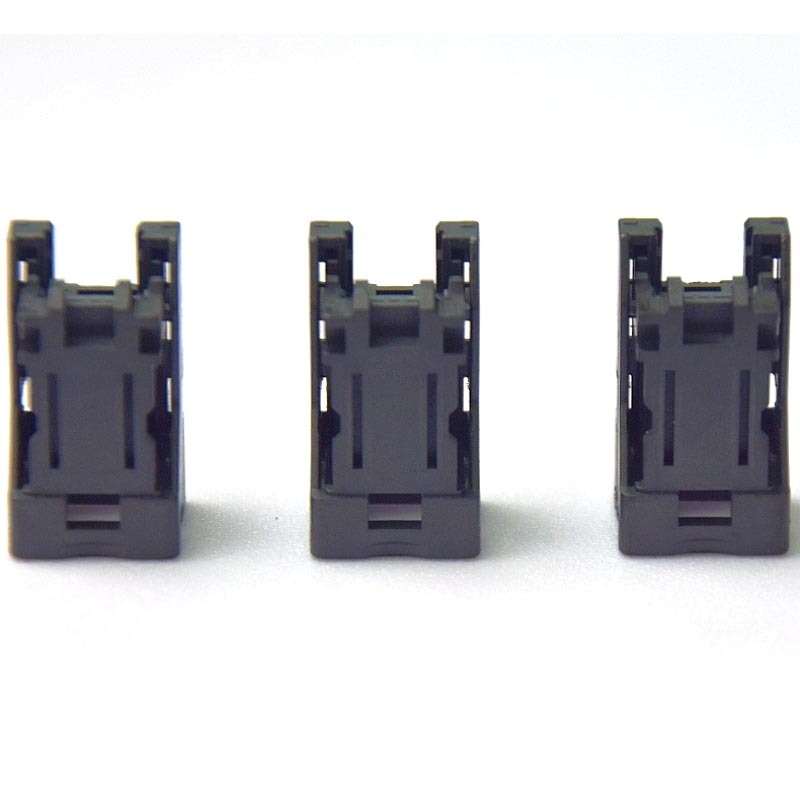
Common Defects in Insert Molding
The table below summarizes the defects our engineers encounter most often, along with their primary causes and the insert molding mold design countermeasures that address them.
| Defect | Typical Cause | Insert Molding Mold Design Countermeasure |
|---|---|---|
| Insert shift / displacement | Weak locating, unbalanced melt flow | Precision pin locating, symmetric gating, adequate insert clamping |
| Flash at insert interface | Insufficient sealing, worn shut-offs | Tight shut-off tolerances, hardened steel at sealing surfaces |
| Insert encapsulation (over-molding) | Poor insert seating, excessive injection pressure | Mechanical stops, pressure-limited fill profiles, sensor verification |
| Cracking around insert | Sharp corners, differential thermal expansion | Radiused transitions, stress-relief geometry, insert preheating |
| Voiding and sinks | Uneven cooling, thick sections near insert | Conformal cooling, balanced cooling circuits, wall-thickness control |
| Insert pull-out / low retention | Insufficient mechanical interlock | Knurling, undercuts, and anchor features designed into the mold |
| Short shots | Restricted flow around insert | Flow simulation, optimized gate placement, venting improvements |
How Mold Design Prevents These Defects
1. Robust Insert Location and Clamping
The single most impactful insert molding mold design decision is how the insert is held during injection. Qiren specifies hardened locating pins, spring-loaded clamps, and mechanical stops so the insert cannot move under melt pressure. Position sensors can be integrated for high-volume programs to confirm seating before every shot.
2. Gate and Runner Optimization
Gate location determines melt flow balance around the insert. Symmetric gating reduces lateral forces on the insert, while flow simulation validates fill patterns before steel is cut. This directly prevents insert shift and short shots.
3. Thermal Management
Differential expansion between metal inserts and polymer causes cracking and residual stress. Insert molding mold design must account for insert preheating, balanced cooling circuits, and generous radii at material transitions. Conformal cooling further reduces cycle time while improving dimensional stability.
4. Shut-off and Venting Strategy
Flash at the insert interface is eliminated through precise shut-off design with hardened tool steel and maintained tolerances. Proper venting prevents burn marks and short shots without compromising the seal around the insert.
FAQ: Insert Molding Mold Design
Q: How does insert molding mold design differ from standard injection mold design?
A: Insert molding mold design adds insert locating, clamping, and verification features that standard molds do not require, and it must account for thermal expansion mismatch between the insert and polymer.
Q: What is the most common cause of insert shift, and how is it fixed in the mold design?
A: Unbalanced melt flow and weak locating are the leading causes; insert molding mold design fixes this with symmetric gating, hardened locating pins, and mechanical stops.
Q: When should flow simulation be used in insert molding mold design?
A: Flow simulation should be used before cutting steel on any new insert molding tool, especially where inserts are large, off-center, or the polymer is glass-filled.
Why Partner with Qiren
Qiren combines DFM review, flow simulation, and precision tooling to deliver insert molding mold design that prevents defects at the source. Our team reviews every insert interface, gate location, and cooling layout before manufacturing begins.
Contact us today to discuss your insert molding project and request a DFM review from the Qiren engineering team.