

How to maintain and inspect a High Power Resistor Box to prevent overheating failure
2026-11-26
High Power Resistor Box manufactured by Dufew is widely used for VFD dynamic braking, battery discharge testing and industrial load simulation. All energy absorbed by this equipment converts directly into heat, so blocked airflow, loose terminals and degraded internal elements are the main triggers for thermal runaway. Regular inspection and scheduled maintenance help identify hidden hotspots before permanent damage or safety incidents occur.
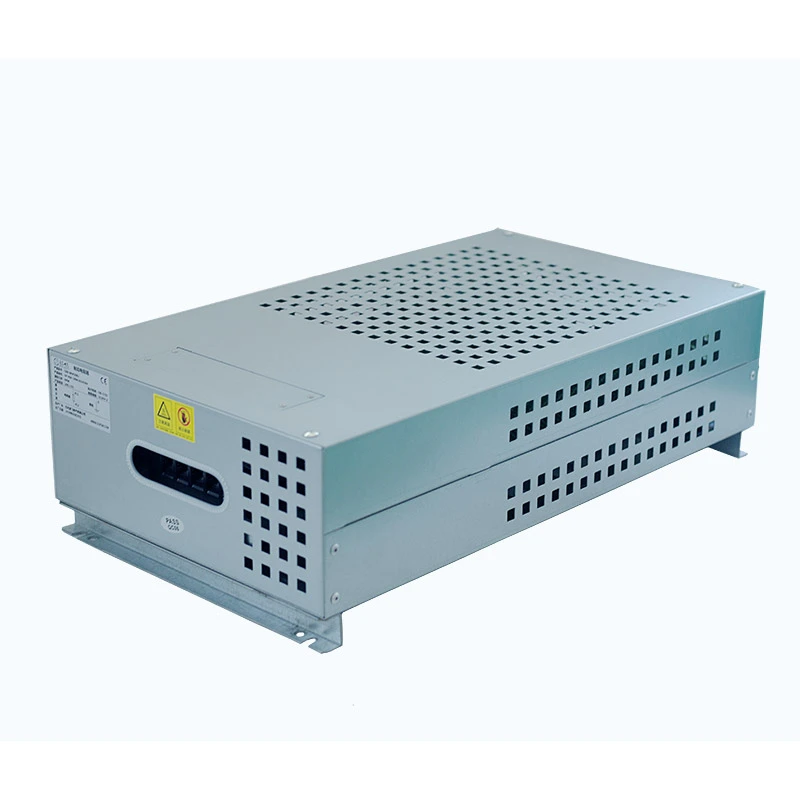
Inspection Frequency Reference Table
| Operating Condition | Recommended Inspection Cycle | Focus Items |
|---|---|---|
| Continuous 24h operation | Monthly | Fan function, terminal temperature, dust buildup |
| Intermittent braking duty | Quarterly | Resistance value, thermal switch, wiring tightness |
| Light-duty standby use | Every 6 months | Enclosure integrity, corrosion and insulation check |
Practical Maintenance Checklist
- Cut off all power and confirm full discharge before opening the cabinet
- Clear dust and debris from ventilation grilles and cooling fans with dry compressed air
- Use infrared thermometers or thermal cameras to scan terminals and resistor elements under load
- Retighten all power connection terminals to avoid high-resistance heating at joints
- Test thermal protection switches and alarm circuits to confirm correct trigger response
- Record measured resistance values and compare them against the original nameplate data
FAQ for High Power Resistor Box
Q1: What are the earliest warning signs that a High Power Resistor Box is at risk of overheating failure? A1: Visible discoloration of the resistor surface, abnormal fan noise, frequent thermal alarms, and a gradual drift of measured resistance value are typical early signs. Dufew recommends running a thermal scan under working load rather than only checking at idle, as many hotspots only appear when energy is being dissipated. Delayed response to these signs may burn out winding insulation and cause short circuits.
Q2: Can I run a High Power Resistor Box above its rated power for a short time without triggering overheating? A2: Short pulse overload may be permitted per the datasheet duty cycle curve, but continuous overload will quickly exceed thermal limits. The rated power is defined for a specified ambient temperature and ventilation condition. Even if the box does not shut down immediately, repeated overloading accelerates insulation aging and reduces the service life of resistor elements. Dufew always advises users to reserve a 20–30% power safety margin for long-term stable operation.
Q3: Is it safe to remove the protective cover of a High Power Resistor Box to improve heat dissipation? A3: No. The protective enclosure is designed to block accidental contact with live and hot components, and it also guides airflow through internal channels. Removing the cover breaks the designed cooling path, introduces dust contamination, and creates serious electric shock hazards. If overheating occurs under normal rated load, check for blocked vents or faulty fans instead of modifying the cabinet structure.
Additional Practical Notes
Maintenance personnel must follow lockout-tagout procedures. Many overheating accidents happen because technicians overlook residual stored energy in capacitors or battery systems connected to the resistor box. Keep maintenance logs to track temperature trends and resistance changes, which supports predictive replacement of aging components.
If you need customized thermal protection configuration, test reports or bulk quotations for your High Power Resistor Box, share your working voltage, duty cycle and installation environment with our electrical engineering team. Dufew provides industrial-grade resistor boxes and professional on-site maintenance guidance for automation and energy test projects. Contact us today to get reliable thermal management solutions.