

How Reliable Is a Single-Sided Thermoelectric Separation Copper Substrate Under Thermal Cycling and High-Voltage Stress
2026-11-03
Reliability is the decisive factor when specifying any substrate for power electronics, and this is especially true for a single-sided thermoelectric separation copper substrate. At Greeting, we engineer these substrates for applications where thermal cycling and high-voltage stress occur simultaneously, and we validate them against both. This article examines the failure mechanisms, test data, and design practices that determine long-term performance, so you can specify with confidence.
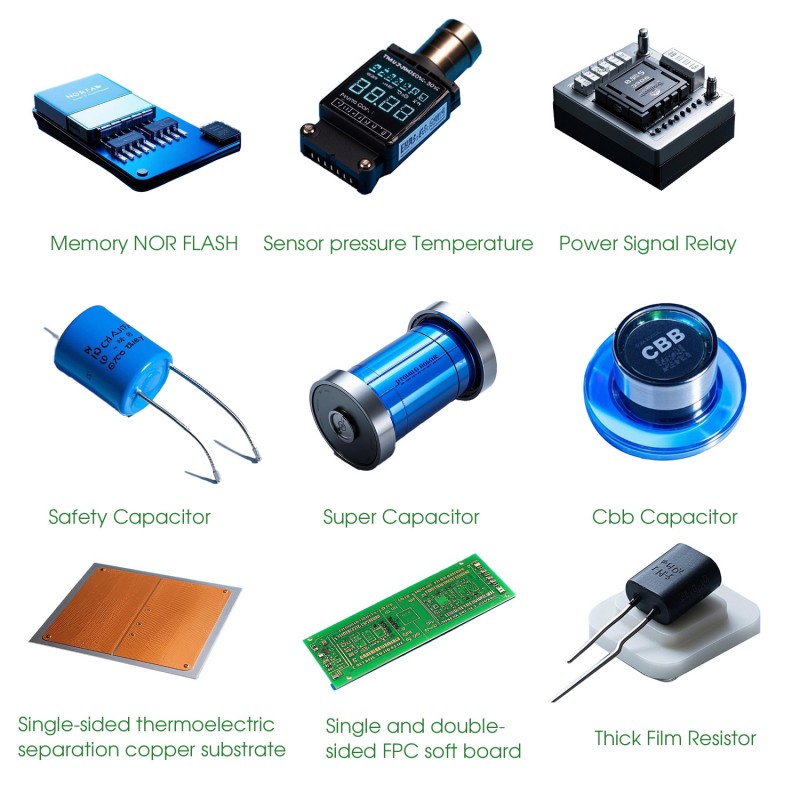
Why Thermal Cycling and High-Voltage Stress Matter Together
Most reliability discussions treat thermal and electrical stress separately. In practice, they interact. Thermal cycling fatigues solder joints and dielectric layers, while high-voltage stress accelerates insulation degradation. A single-sided thermoelectric separation copper substrate must survive both without delamination, dielectric breakdown, or copper trace cracking.
| Stress Factor | Primary Failure Mode | Key Mitigation |
|---|---|---|
| Thermal cycling (−40°C to +150°C) | Solder fatigue, dielectric cracking | CTE-matched dielectric, thick copper |
| High-voltage stress (3–10 kV) | Partial discharge, insulation breakdown | Void-free bonding, qualified dielectric |
| Combined stress | Accelerated delamination | Robust interface design |
Thermal Cycling Performance
Greeting substrates are tested per IPC-TM-650 and JEDEC JESD22-A104. Typical results for a single-sided thermoelectric separation copper substrate:
-
1,000 cycles (−40°C to +125°C): no delamination, no resistance shift >5%
-
2,000 cycles: dielectric intact, partial discharge below 10 pC
-
Copper-to-dielectric adhesion remains above 1.0 N/mm after cycling
The key driver is CTE matching between the copper layer and the dielectric. Greeting uses a filled dielectric system that reduces interfacial stress and prevents the micro-cracking that precedes breakdown.
High-Voltage Stress Performance
High-voltage reliability depends on dielectric thickness, void content, and edge design. Greeting substrates typically withstand:
| Parameter | Typical Value | Test Standard |
|---|---|---|
| Dielectric breakdown | >6 kV AC | IEC 60243 |
| Partial discharge inception | >1.5 kV | IEC 60270 |
| Insulation resistance | >10⁹ Ω at 500 VDC | IPC-TM-650 |
Combined thermal and voltage stress is the harsher test. In Greeting's sequence testing, substrates subjected to 500 thermal cycles followed by 1.5× rated voltage showed no partial discharge increase beyond 20%.
Design and Qualification Checklist
-
Specify dielectric thickness for the actual working voltage, not nominal
-
Require partial discharge test data, not just breakdown voltage
-
Confirm CTE match between copper and dielectric
-
Validate edge clearance and creepage distance
-
Request combined stress test reports from the supplier
FAQ
Q: How many thermal cycles can a single-sided thermoelectric separation copper substrate withstand?
A: A single-sided thermoelectric separation copper substrate from Greeting typically passes 2,000 cycles from −40°C to +125°C without delamination or significant resistance shift, with adhesion maintained above 1.0 N/mm, making it suitable for automotive and industrial power modules.
Q: Does high-voltage stress reduce the lifetime of a single-sided thermoelectric separation copper substrate?
A: High-voltage stress accelerates dielectric degradation only when voids or partial discharge exist. Greeting substrates use void-free bonding and are tested to IEC 60270, keeping partial discharge below 10 pC and preventing voltage-induced lifetime reduction.
Q: What tests should I request to verify reliability of a single-sided thermoelectric separation copper substrate?
A: Request thermal cycling per JEDEC JESD22-A104, dielectric breakdown per IEC 60243, partial discharge per IEC 60270, and combined thermal-plus-voltage sequence testing. Greeting provides full reports for each single-sided thermoelectric separation copper substrate order.
Conclusion
Reliability under thermal cycling and high-voltage stress is not a single specification but a system of material, interface, and test discipline. Greeting builds every single-sided thermoelectric separation copper substrate to pass combined stress validation, and we share the data openly.
Contact us today to request test reports, samples, or a reliability review for your single-sided thermoelectric separation copper substrate project.