

Can an Acetylene Automatic Safety Monitoring System work alongside fire suppression and ventilation systems
2026-11-26
Acetylene Automatic Safety Monitoring System manufactured by Jinding is widely deployed in welding workshops, acetylene cylinder storage rooms and gas filling stations to track real-time acetylene concentration and trigger safety responses. As acetylene is highly flammable and prone to explosive decomposition, many plant managers aim to build a layered safety ecosystem instead of relying only on gas detectors. Proper relay logic and signal communication allow this monitoring unit to coordinate with ventilation fans and fire suppression hardware for graded emergency response.
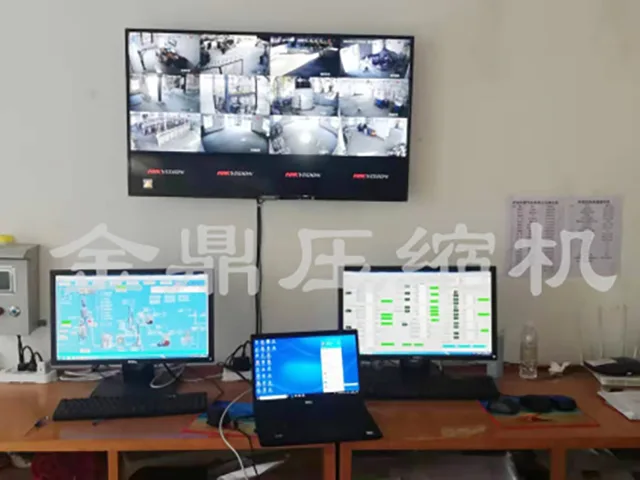
Linked System Logic Table
| Alarm Threshold | Linked Action | Safety Purpose |
|---|---|---|
| Pre-alarm (20% LEL) | Start high-speed ventilation, send alert notification | Dilute leaked acetylene before risk escalates |
| High alarm (40% LEL) | Cut off acetylene supply, activate continuous ventilation | Stop gas source and reduce flammable concentration |
| Fire signal trigger | Engage fire suppression while locking gas supply | Prevent sustained combustion and secondary explosion |
Integration Checklist for Jinding Safety Configuration
- Confirm dry contact relay or 4-20mA signal output for interconnection
- Set independent delay logic to avoid nuisance suppression activation
- Keep sensor installation height matched to acetylene’s lighter-than-air property
- Conduct full joint function test after installation and re-calibrate quarterly
- Separate power supply for monitoring, ventilation and suppression equipment to avoid single-point failure
FAQ for Acetylene Automatic Safety Monitoring System
Q1: What communication interfaces does the Acetylene Automatic Safety Monitoring System use to connect with ventilation and fire suppression devices? A1: Jinding’s Acetylene Automatic Safety Monitoring System supports standard dry contact relay, RS485 and 4-20mA analog signals. Relay output is the most common choice for simple linkage, while Modbus communication suits factories with centralized PLC control. The engineering team will configure independent alarm channels so ventilation runs at low concentration levels and suppression only activates on confirmed fire signals.
Q2: Will simultaneous activation of ventilation and fire suppression cause safety conflicts for the Acetylene Automatic Safety Monitoring System? A2: Conflicts happen only if the sequence is poorly programmed. Ventilation dilutes gas, but forced airflow may spread flames if fire has already started. The standard logic is: gas leakage triggers ventilation and gas shutoff; fire detection pauses dilution airflow and releases suppression agents. Jinding customizes interlock programs to follow this graded response for each site layout.
Q3: Can the Acetylene Automatic Safety Monitoring System be retrofitted to old fire and ventilation systems without full replacement? A3: In most cases, yes. As long as the existing ventilation and suppression panels accept external trigger signals, the monitoring unit can be added as a new safety layer. However, outdated control cabinets without isolated input modules may require auxiliary relay modules. Jinding provides site assessment reports before retrofit projects to verify compatibility and reduce upgrade costs.
Additional Practical Notes
Integration is not simply wiring all devices together. The whole system must comply with local industrial gas safety codes and ATEX requirements for hazardous zones. Regular joint testing is essential, as dust, sensor drift or loose wiring can break interlock functions over time.
If you need custom interlock programming, site safety assessment or quotation for your Acetylene Automatic Safety Monitoring System, share your workshop layout and existing fire and ventilation equipment information with our engineering team. Jinding delivers certified gas monitoring hardware and complete linkage solutions for industrial gas facilities. Contact us today to build a reliable multi-layer acetylene safety system.